


Last Updated: November 14, 2026
Quick Summary
A puffer jacket should fit close enough to hold warmth but loose enough to layer a sweater underneath, with shoulder seams at the edge of your shoulders and sleeves ending at the wrist bone. Order your usual size rather than sizing down, since a snug fit compresses the insulation and leaves you colder.
- Check mobility by raising both arms overhead; the hem should stay near your hips.
- Hip length suits everyday wear, while longer styles are better for deep cold.
- Match fill weight to your winter: lightweight for mild cold, high fill weight for deep cold.
- A wind-resistant shell and storm flap matter more than extra fill on windy days.
- For wet coastal winters, synthetic insulation is the safer bet than down.
Table of Contents
- What to Look For in a Winter Puffer Jacket
- How Should a Puffer Jacket Fit a Woman?
- Is a Puffer Jacket Good for Winter?
- Parka vs Puffer vs Down Jacket: What's the Difference?
- Fill Power, Fill Weight, and Insulation Types
- Shell Fabric, Wind Protection, and Water Resistance
- Hood, Cuffs, Hem, and Zipper Details That Matter
- Shop Dream Pants Puffer Jackets for the Season
- Frequently Asked Questions
What to Look For in a Winter Puffer Jacket
Choosing the perfect puffer jacket for winter starts with four things: insulation type, fill power and fill weight, shell fabric, and the small hardware details that keep cold air out. Get those right and the jacket will keep you warm without turning you into a marshmallow.
At Dream Pants, we help women find outerwear that fits well and is designed for lasting wear. Below, we'll show you exactly how to read a jacket's label, compare down with synthetic insulation, and decide which style suits your winter.
A puffer jacket is a quilted outerwear piece filled with down or synthetic insulation that traps body heat in small pockets called baffles. The quilting pattern matters as much as the fill.
Two things most shoppers miss. First, a higher fill power does not automatically mean a warmer jacket; fill weight decides how much insulation is actually inside. Second, a jacket that fits too snugly compresses the insulation and loses warmth. Fit and fill work together.
Here's what each part of the label tells you:
- Insulation type: down (loftier, lighter) or synthetic (handles damp better)
- Fill power: the loft of down, roughly 550 to 800+
- Fill weight: how many grams of insulation sit inside the jacket
- Shell fabric: the outer layer that blocks wind and light precipitation
- Hardware: hood, cuffs, hem drawcord, storm flap over the zipper
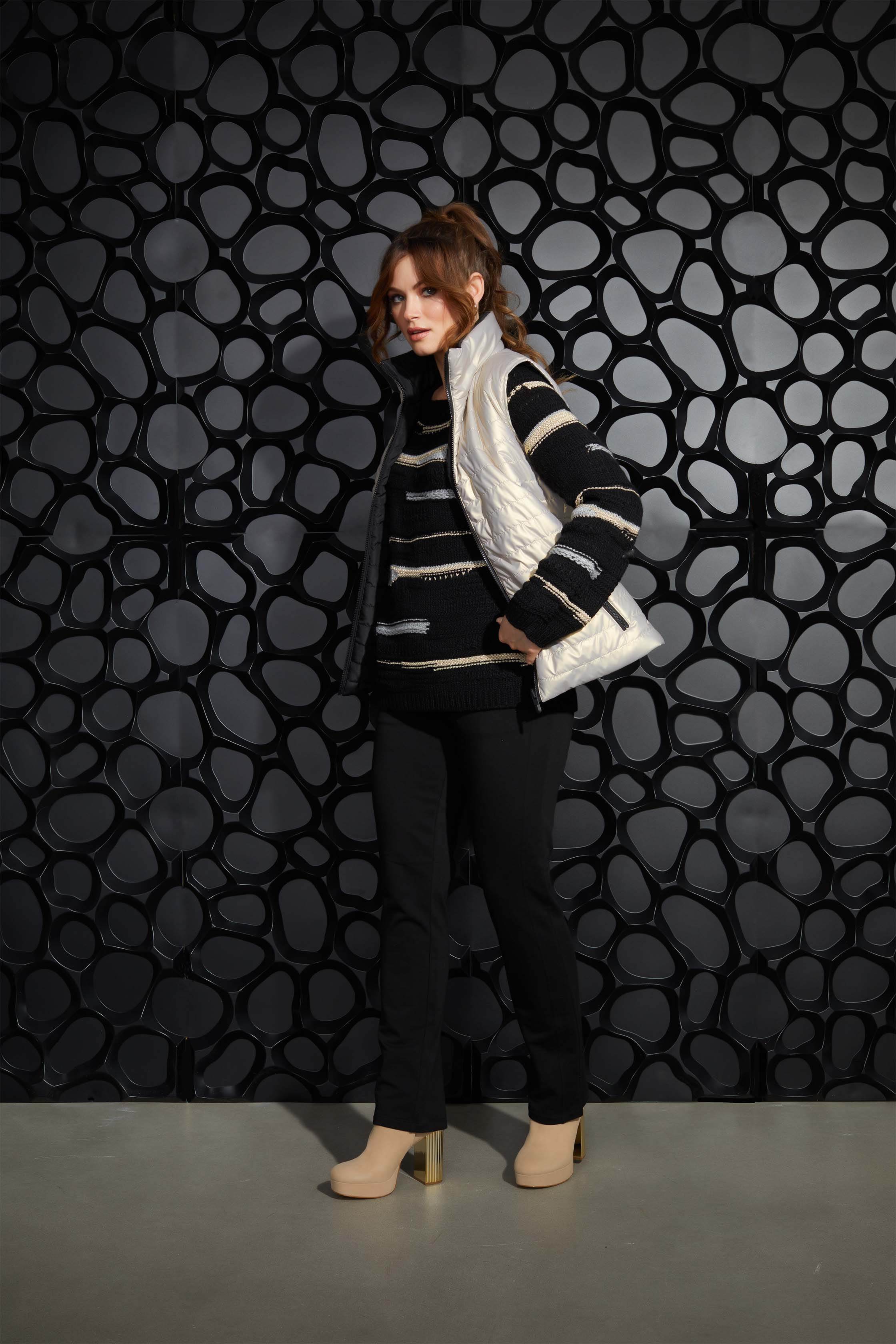
If you prefer a vest for milder days or layering under a coat, our puffer vest is a practical starting point.
How Should a Puffer Jacket Fit a Woman?
A puffer jacket should fit close enough to hold warmth but loose enough to layer a sweater underneath. You want room to raise your arms without the hem riding up, and sleeves that end at the wrist bone.
Here is how to check fit before you commit:
- Shoulders: the seam should sit at the edge of your shoulder, not past it
- Sleeve length: ends at the wrist bone so it covers the gap at your gloves
- Layering room: you should fit a mid-weight knit underneath without strain
- Mobility: raise both arms overhead; the hem should stay near your hips
- Length: hip length for everyday wear, longer for deep cold
A common mistake is sizing down for a sleeker look. That compresses the loft and leaves you colder than a properly sized jacket would. Order your usual size and use the adjusters to shape the waist instead.
If online sizing makes you nervous, our guide on how to shop for clothes online and get the fit right walks through measuring yourself and reading size charts.
Is a Puffer Jacket Good for Winter?
Yes, a puffer jacket is good for winter for most everyday conditions, but "winter" means very different things in different places. The quilted insulation traps warmth efficiently, and modern puffers pack down small enough to stow in a bag.
Use this simple warmth-selection framework before you buy:
- Mild winter (around freezing, short outings): a lightweight puffer with low fill weight, hip length, and a simple shell. Enough for commuting and errands.
- Typical cold winter (well below freezing, daily wear): a mid-weight puffer with moderate to high fill weight, a wind-resistant shell, and an adjustable hood. This is the everyday workhorse.
- Deep cold (harsh wind, long exposure): a high fill-weight puffer or a longer parka-style puffer with a storm flap, cinched hem, and room for a mid-layer.
- Active winter (walking briskly, hiking, snow play): a lighter, more breathable puffer worn in layers, so you can vent heat instead of overheating.
- Standing still outdoors (watching kids, outdoor events): size up for layering and prioritize fill weight and wind protection over packability.
Activity level changes the answer as much as temperature does.
Where a puffer falls short is in heavy, wet snow or prolonged rain. Down loses loft when soaked, and lightweight shells let wind through.
For Canadian winters, most women do well with two jackets: a lighter puffer for dry cold and commuting, and a longer, more weatherproof option for storms. A puffer also layers beautifully under a roomier coat on the coldest days.
Watch out: buying one jacket to handle every winter condition usually means it is too warm for mild days and not warm enough for the worst ones. Match the jacket to the winter you actually have, not the coldest day you can imagine.
Parka vs Puffer vs Down Jacket: What's the Difference?
The difference comes down to length, fill, and weather protection. A parka is long and built for harsh weather. A puffer is a quilted insulated jacket, usually shorter. A down jacket is simply a puffer filled with down rather than synthetic insulation.
| Feature | Parka | Puffer Jacket | Down Jacket |
|---|---|---|---|
| Typical length | Thigh to knee | Hip length | Hip length |
| Insulation | Down or synthetic | Down or synthetic | Down |
| Weather protection | Highest, often water-resistant shell | Moderate | Moderate |
| Weight and packability | Heavier, bulkier | Light to moderate | Lightest |
| Best for | Deep cold, wind, snow | Everyday winter wear | Dry cold, travel |
A parka suits long commutes and extreme cold. A puffer suits daily wear and layering. A down jacket is the lightest choice when you want warmth without bulk. Many women own a puffer for everyday and a parka for the worst weeks of the season.
Fill Power, Fill Weight, and Insulation Types
Fill power measures how much space one ounce of down occupies, which tells you its loft and warmth-to-weight ratio. Fill weight measures how much insulation is actually in the jacket. Read them together, never alone.
The number on the tag that shoppers fixate on is fill power, but fill power is a quality rating, not a warmth rating.
Here is a practical way to read the label:
- High fill power, low fill weight: light, packable, best for milder dry cold or as a mid-layer
- High fill power, high fill weight: the warmest and lightest option for its warmth, best for deep dry cold
- Moderate fill power, high fill weight: warm but bulkier, often the best value for everyday winter
- Low fill power, low fill weight: a fashion or shoulder-season piece, not a deep-winter jacket
Fill power typically runs from about 550 to 800+, and many everyday jackets sit in the 600-700 range. Above 800 is premium down: lighter and more compressible, but not automatically warmer unless the fill weight supports it.
Down insulation is lighter and loftier for its weight, and it lasts many seasons with proper care. Synthetic insulation keeps more of its warmth when damp and costs less, though it is heavier and loses loft over time.
Quick comparison:
- Down: best warmth-to-weight, packs small, needs dry conditions
- Synthetic: better in wet weather, easier to wash, slightly heavier
- Blended fills: a middle ground, often good for everyday wear
For most women in a dry-cold climate, down offers the best warmth for the weight. For wet coastal winters, synthetic is the safer bet.
Watch out: a jacket marketed with a big fill-power number but no fill weight listed is often a lighter jacket than the number suggests.
Shell Fabric, Wind Protection, and Water Resistance
The shell is the outer fabric, and it decides how much wind and moisture reach the insulation. A tight-weave shell blocks wind; a treated shell sheds light snow and drizzle.
Look for a shell that feels smooth and dense rather than thin and crinkly. Wind protection matters more than most shoppers realize: a windy day pulls heat out of a jacket fast, even a well-insulated one. A water-resistant finish handles light precipitation, while a fully waterproof shell is heavier and less breathable.
Breathability matters too. If you walk briskly or commute on foot, a shell that traps moisture leaves you clammy. A moderate level of breathability keeps you comfortable without letting wind straight through.
Hood, Cuffs, Hem, and Zipper Details That Matter
Small hardware details decide whether a jacket feels warm in real cold. A snug hood, fitted cuffs, an adjustable hem, and a zipper backed by a storm flap all stop cold air from sneaking in.
Check these before you buy:
- Hood: adjustable and roomy enough to fit over a hat
- Cuffs: elastic or adjustable to seal the wrist
- Hem: a drawcord lets you cinch out drafts
- Zipper: a two-way zip adds mobility; a storm flap blocks wind
- Pockets: zip pockets keep essentials secure and hands warm
Watch out: a hood that will not adjust and cuffs that gap at the wrist are the two details most likely to leave you cold, no matter how good the insulation is.
Shop Dream Pants Puffer Jackets for the Season
This season, we've curated puffer styles that balance warmth, fit, and everyday polish. Each one is designed to combine warmth, fit, and style.
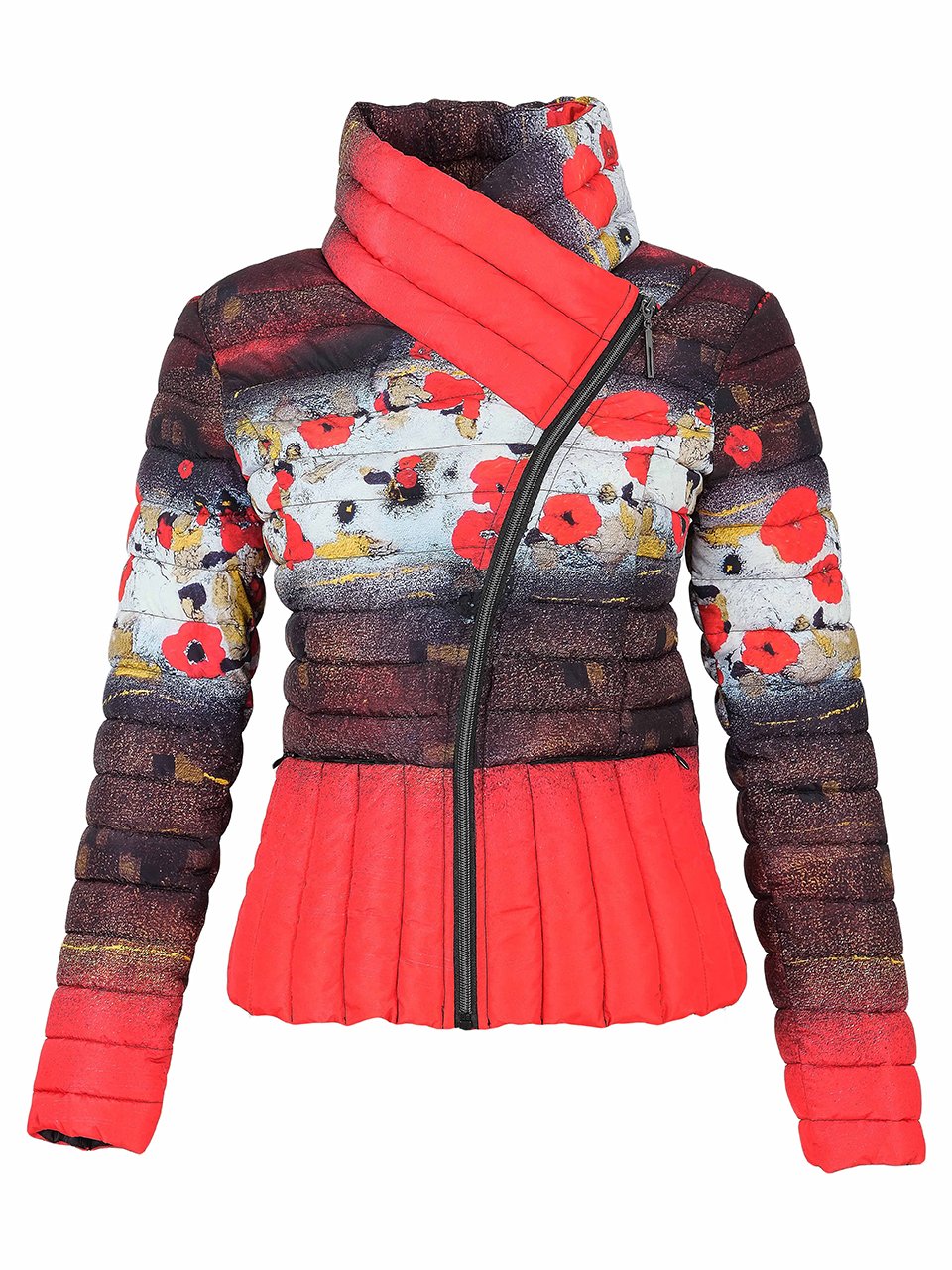
Our Painted Poppies Puffer Jacket brings a fitted, hip-length silhouette with a padded stand collar, asymmetric zip front, and zip waist pockets. The quilted woven fabric and floral print make it an easy statement piece over your everyday layers.
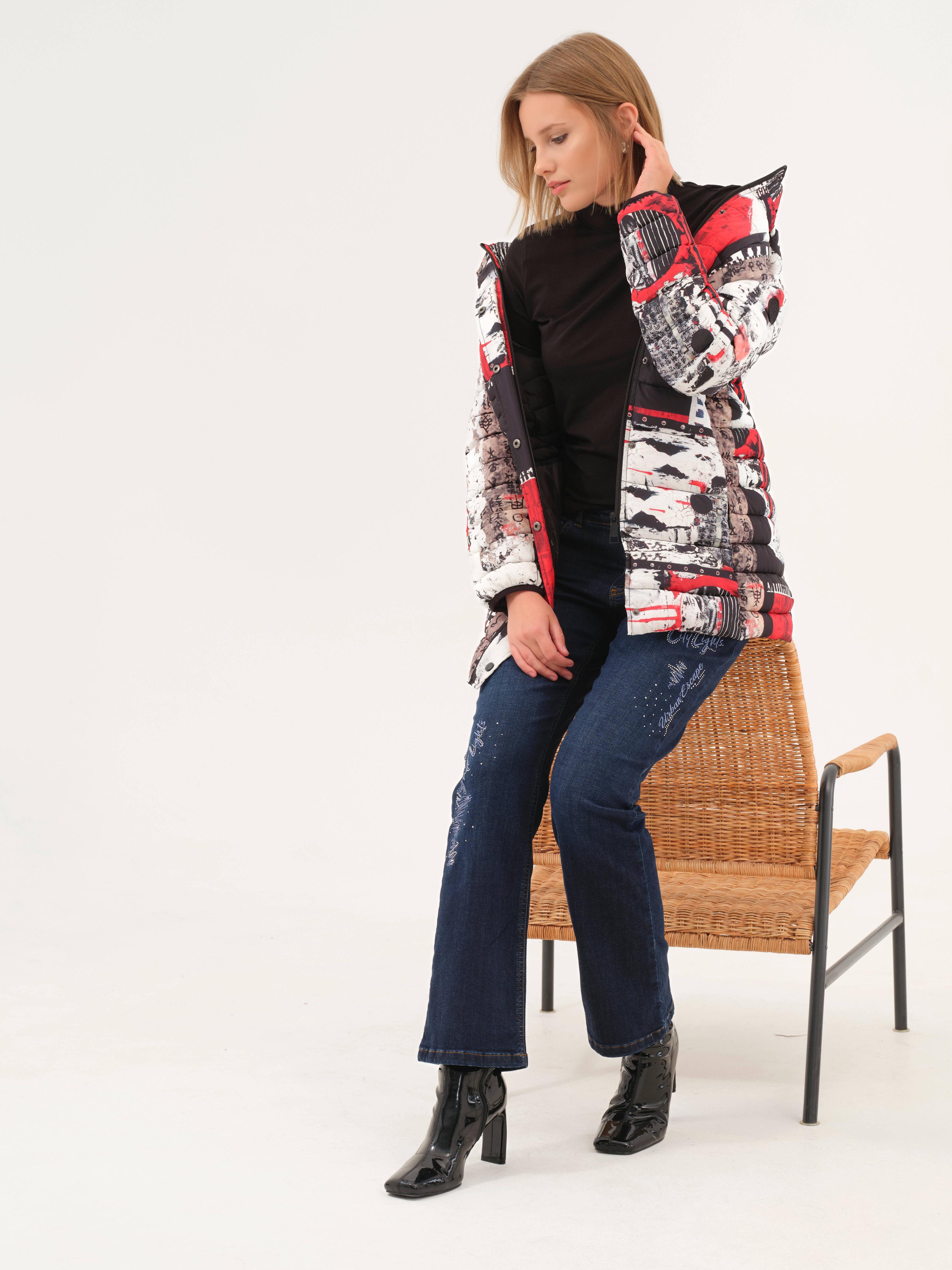
For a bolder look, the Quilted Puffer Jacket pairs an abstract red and black print with a high collar and zip front for cozy warmth on chilly days.
Orders of $95 or more ship free within Canada and the USA, with 30-day postage-paid returns and duties paid by us. Not sure about fit? Our responsive customer service team is here to help.
Winter will always throw a few harsh weeks at you, but the right puffer makes them far easier to dress for. At Dream Pants, we make that choice simpler with consistent sizing, responsive customer service, and premium Canadian brands you can trust. Browse our jackets, check the fit details, and order with confidence.
Frequently Asked Questions
How do I pick the right puffer jacket for winter?
Start with your climate and activity level. For everyday cold-weather wear, look for a puffer jacket with a wind-resistant shell, a hood, and enough insulation to handle your coldest typical day. Check the fit across the shoulders and hips, and make sure you can layer a sweater underneath without feeling restricted. A hip-length puffer jacket like the Painted Poppies Puffer Jacket offers coverage and a fitted silhouette that works for busy days.
Is a puffer jacket warm enough for Canadian winter?
Yes, a well-made puffer jacket can be warm enough for winter, especially when it has a wind-resistant shell and a hood. The key is matching the insulation to the temperature. For milder winter days, a lightweight quilted puffer works well; for deeper cold, choose one with more fill or layer a puffer vest underneath. Dream Pants carries quilted puffer jackets and vests.
What is the difference between a parka and a puffer jacket?
A parka is typically longer, often hip- or thigh-length, with a fur-trimmed hood and a heavier shell designed for extreme cold. A puffer jacket is shorter and defined by its quilted, padded construction, which traps warmth without bulk. Down jackets use down insulation, while synthetic puffers use polyester fill. For city winters, a puffer jacket offers more mobility and a sleeker look, while a parka provides extra coverage for bitter cold.
How should a puffer jacket fit a woman?
A puffer jacket should fit closely enough to keep warmth in but leave room for a light sweater underneath. The shoulders should sit at your natural shoulder line, sleeves should end at your wrist bone, and the hem should cover your hips without riding up. You should be able to raise your arms and drive comfortably. Dream Pants offers a fitted, peplum-silhouette puffer jacket.


Leave a comment